
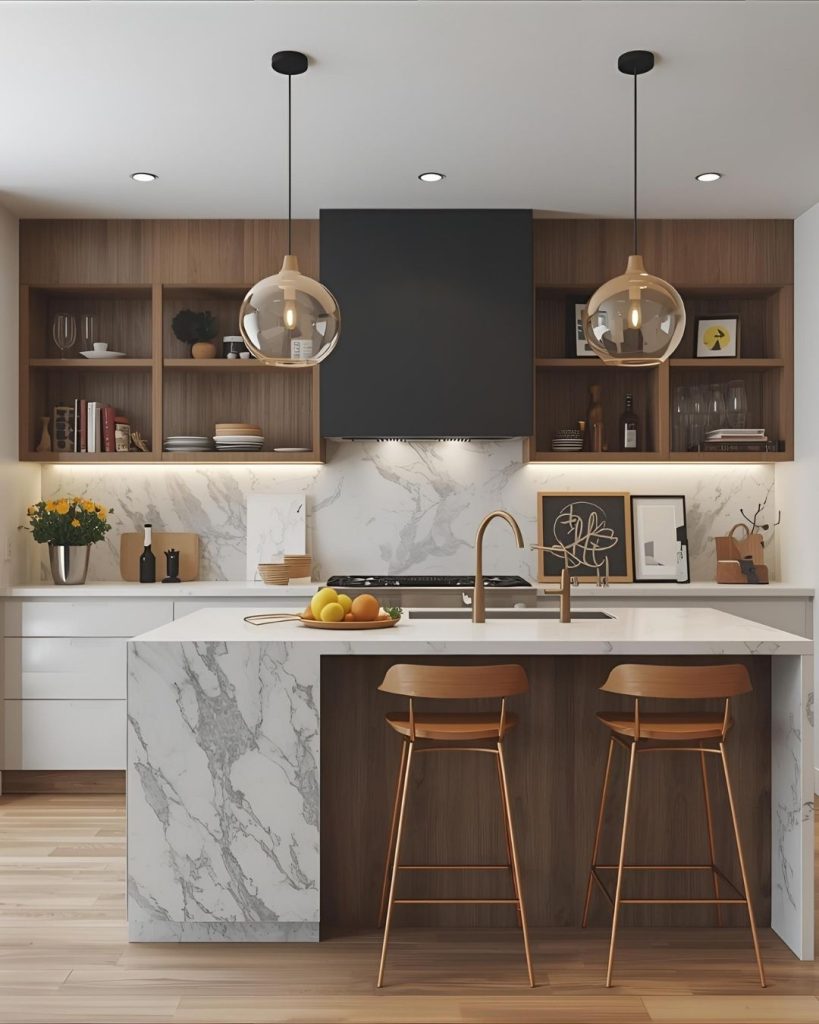
How Much Does a New Kitchen Cost in Bedford? | Local Builder’s Guide
A new kitchen is one of the most rewarding home improvements you can make. It’s the room you use most, the space where family life happens, and the place that makes the biggest impression when you walk into a house. But it’s also one of the most complex projects to get right, with dozens of decisions to make and a wide range of costs depending on what you want and how far you take it. Understanding what drives the price helps you plan a realistic budget and avoid the kind of surprises that turn an exciting project into a stressful one.
This guide breaks down what a kitchen installation actually costs across Bedford, from modest refreshes to full structural renovations, and explains what affects the price at each stage.
What’s Included in a Kitchen Installation?
It’s worth being clear about what a kitchen installation involves, because the answer varies enormously depending on your starting point and your ambitions. At its simplest, a kitchen installation means removing the old units and fitting new ones — new carcasses, doors, worktops, sink, and appliances — within the existing layout. At its most involved, it means stripping the room back to bare walls, altering the layout, moving plumbing and electrics, knocking through walls, replastering, fitting new flooring, tiling, decorating, and then installing the kitchen itself.
Most Bedford kitchen projects fall somewhere between these two extremes. The total cost depends on the kitchen units and worktops you choose, how much structural or layout work is needed, and the extent of the finishing required.
Kitchen Unit and Worktop Costs
The units and worktops themselves typically represent the single largest line item in your budget. The range is vast, and where you buy makes a significant difference.
Budget kitchens from flat-pack suppliers and the larger DIY chains start from around £2,000 to £4,000 for a complete set of units, doors, and a basic laminate worktop for an average-sized kitchen. These units are functional and can look perfectly good when installed well, though build quality and hinge durability tend to reflect the price. For a rental property or a first home on a tight budget, they do the job.
Mid-range kitchens from suppliers like Howdens, Wren, Magnet, or independent kitchen showrooms typically cost between £4,000 and £10,000 for units and worktops. At this level you get better carcass construction, soft-close drawers and hinges as standard, a wider choice of door styles and finishes, and options like solid timber, quartz, or granite worktops. This is where most Bedford homeowners land — good quality without overspending.
High-end kitchens from bespoke manufacturers or premium brands can cost £15,000 to £30,000 or more for units and worktops alone. These involve custom-made cabinetry, premium materials throughout, and a design service that tailors every detail to your space. For a forever home in areas like Putnoe, Clapham, or Bromham where you plan to enjoy the kitchen for decades, the investment can absolutely be worth it.
Worktop material makes a notable difference to the total. Laminate is the most affordable at £400 to £1,000 for a typical kitchen. Solid wood runs from £800 to £2,000. Quartz composite sits between £1,500 and £3,500 depending on the brand and colour. Granite and marble start from around £2,000 and climb from there depending on the stone and the complexity of the cut.
Installation and Labour Costs
The labour cost of fitting a kitchen depends on the scope of the work. A straightforward like-for-like installation — removing the old kitchen and fitting new units in the same layout with no structural changes — typically costs between £2,000 and £4,000 for labour across all trades. This covers the kitchen fitter, plumber, electrician, tiler, and any plastering or decoration needed.
When the project involves layout changes, the cost increases. Moving the sink means repositioning waste pipes and water supplies. Relocating a cooker means rerouting gas or running a new electrical circuit. Adding an island requires additional plumbing if it includes a sink, and electrical work if it includes sockets or an induction hob. Each of these alterations is individually modest, but they add up. A kitchen installation with moderate layout changes typically costs between £4,000 and £7,000 for labour.
For more ambitious projects involving structural alterations — removing a wall between the kitchen and dining room to create open-plan living, fitting a steel beam to support the structure above, building out into a small rear extension, or completely reconfiguring the ground floor — labour costs can reach £8,000 to £15,000 or more. At this point the project crosses from a kitchen installation into a building project with a kitchen at its centre, and the trades involved expand to include structural work, building control, and potentially architectural design.
Electrics and Plumbing
Electrical work is a significant element of most kitchen installations and one that people often underestimate. Current regulations require far more sockets and circuits than kitchens were fitted with twenty or thirty years ago. A modern kitchen typically needs dedicated circuits for the oven, hob, fridge freezer, and dishwasher, plus ample socket provision for small appliances. If your existing consumer unit doesn’t have spare capacity for additional circuits, it may need upgrading.
Rewiring the kitchen area, adding circuits, and fitting new sockets and switches typically costs between £500 and £1,500 depending on how much needs changing. If you’re adding under-cabinet lighting, pendant lights, or downlights, the electrical work extends further.
Plumbing costs depend on whether the sink, dishwasher, and washing machine are staying in the same positions or moving. Like-for-like connections are straightforward and relatively inexpensive — £200 to £500 typically. Moving the sink to a different wall or across the room involves extending or rerouting waste pipes and supply pipes, which can cost £500 to £1,000 depending on the distance and complexity. If you’re adding a boiling water tap or a waste disposal unit, each adds £100 to £300 for the plumbing connection on top of the product cost.
Flooring, Tiling, and Decoration
These finishing elements complete the look and feel of your kitchen. Flooring costs depend entirely on the material. Vinyl or LVT flooring for an average kitchen runs from £400 to £1,000 including fitting. Porcelain or ceramic tiles typically cost £500 to £1,500 fitted. Engineered wood flooring sits in a similar range. Natural stone is the most expensive option, starting from around £1,000 and climbing with the quality and type of stone.
Wall tiling behind worktops and around the cooker typically costs between £300 and £800 for a standard splashback area, depending on the tile chosen and the extent of the coverage. Full-height tiling across larger areas costs more.
Plastering, where needed, usually costs between £300 and £600 for a kitchen-sized room. Decoration — painting walls and ceilings — adds another £200 to £400 if you’re having it done professionally, or nothing if you’re happy to pick up a brush yourself.
Total Kitchen Installation Costs
Adding everything together, here are realistic total costs for different levels of kitchen project across Bedford.
A budget kitchen installation with flat-pack units, laminate worktop, and straightforward fitting in the existing layout comes in between £5,000 and £8,000. A mid-range kitchen with quality units, a solid or composite worktop, moderate layout changes, new flooring, and tiling typically costs between £10,000 and £18,000. A high-end kitchen with premium units, stone worktops, structural alterations, and full finishing can range from £20,000 to £35,000 or more depending on the specification and complexity.
These figures cover everything — units, worktops, appliances, labour across all trades, flooring, tiling, electrics, plumbing, and decoration. The range is wide because every kitchen is different, and the combination of choices at each stage creates a unique total for each project.
Getting the Best Value from Your Kitchen Project
The single most effective way to get good value is to plan thoroughly before any work starts. Finalise your layout, choose your units and worktops, select your flooring and tiles, and confirm your appliances before your builder or kitchen fitter begins. Changes mid-project cost time and money, and the more decisions are locked in upfront, the smoother and more cost-effective the installation runs.
Get detailed quotes that specify exactly what’s included. A quote that says “kitchen fitting — £3,000” tells you very little. A quote that itemises removal of old kitchen, fitting of new units, worktop templating and installation, plumbing connections, electrical work, tiling, flooring, and decoration tells you exactly what you’re paying for and makes comparing quotes between builders straightforward.
Consider where to invest and where to save. Spending more on worktops and drawers — the elements you touch and use every day — often makes more sense than upgrading door finishes, which are relatively easy to change in future. Good quality hinges and drawer runners make a bigger difference to how the kitchen feels in daily use than almost any other specification choice.
If you’re planning a kitchen installation at your Bedford home, get in touch for a free consultation. We’ll discuss what you want to achieve, advise on the most cost-effective approach, and provide a detailed quote covering every aspect of the project.